Strategic & Conservation Projects
Direct field interventions, critical species rescue, and integrated logistic hubs.
🎯 CLICK BELOW FOR OUR RESEARCH PILLARS:
"A river without fish is a river without a soul. And a nation that allows its unique species to perish loses a part of its own history."
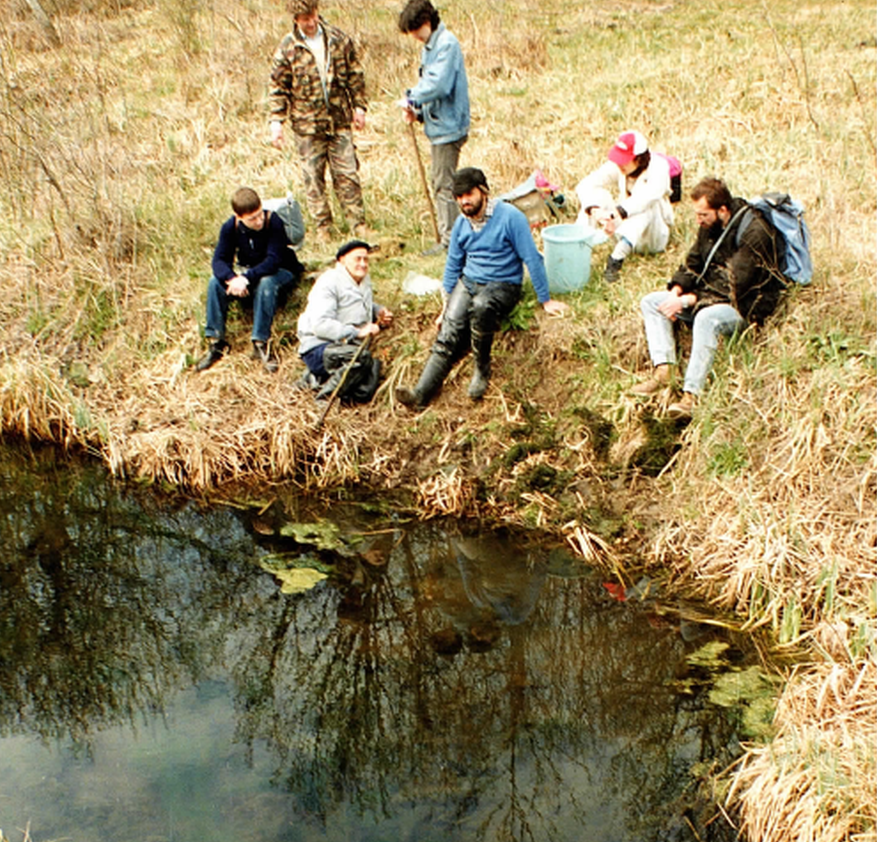
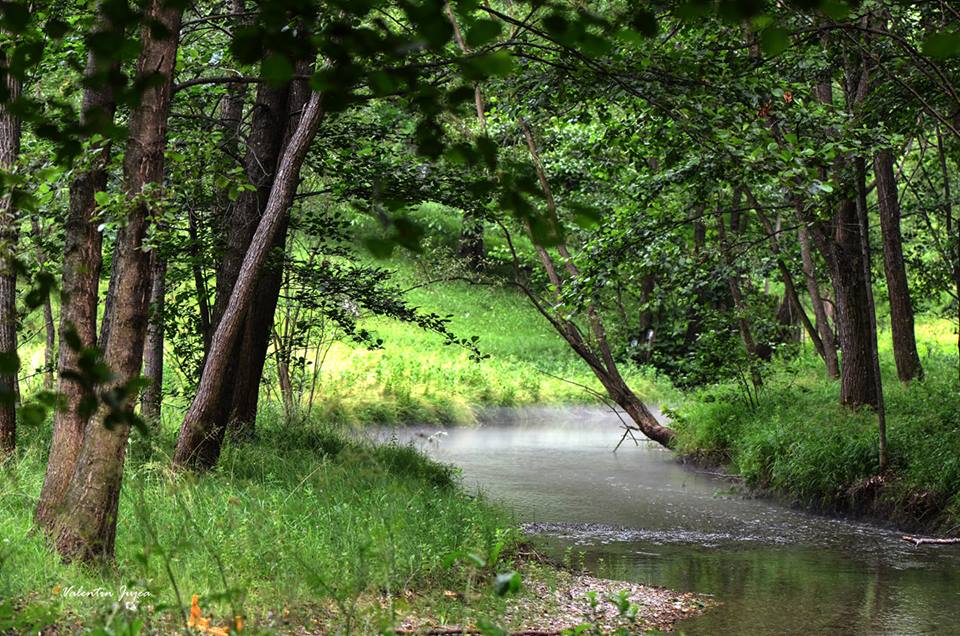
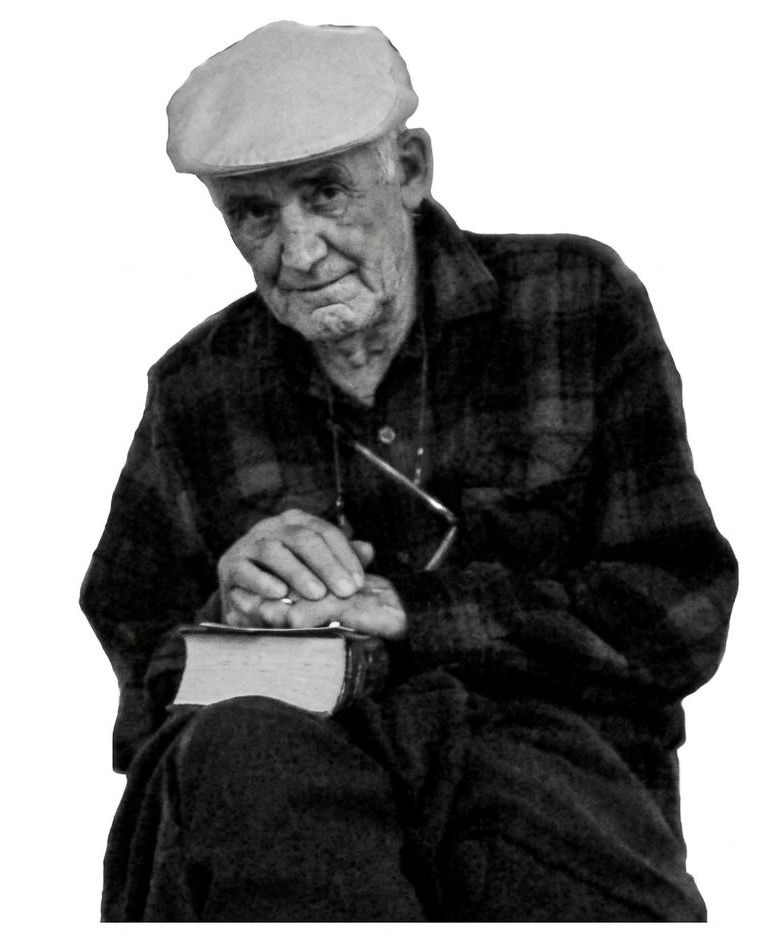
Over half a century ago, the great academician Petru Bănărescu traversed the swift rivers of Bucovina — Suceava, Moldova, Dorna, and Bistrița — documenting a wonder of European nature: the Danube salmon (Hucho hucho), the uncrowned king of mountain waters.
Today, the cry for help from these waters is dramatic. Pollution, small hydropower plants, and public indifference have erased the Danube salmon from almost all of its historical habitats. The species that survived glacial eras now stands on the brink of definitive extinction in Romania.
🚀 We chose not to watch from the sidelines.
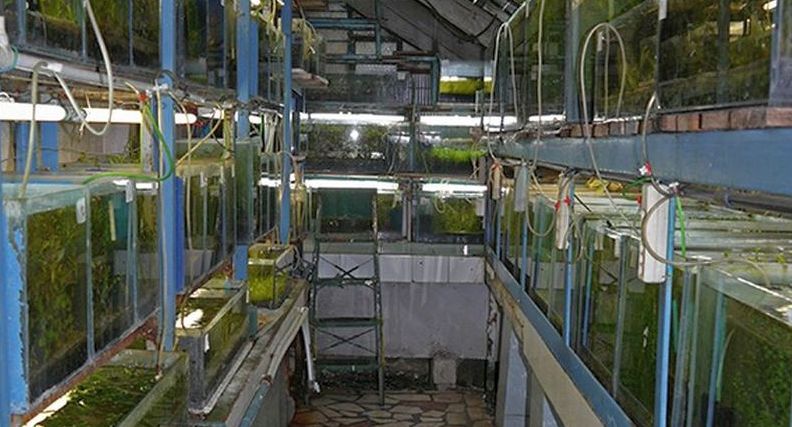
As spiritual successors to the Romanian school of ichthyology and under the direct guidance of Professor Bănărescu’s disciples, our association has taken direct action in the field. Not through administrative memoranda, but through concrete physical infrastructure. In the heart of Bucovina, at Plutonița (Frasin), we have built a fortress of survival from the ground up: "The Noah’s Ark" Research Station. Across 25 hectares of protected wilderness, we operate advanced ichthyological laboratories and micro-hatcheries with the clear objective of managed artificial breeding, genetic safeguarding, and large-scale repopulation.
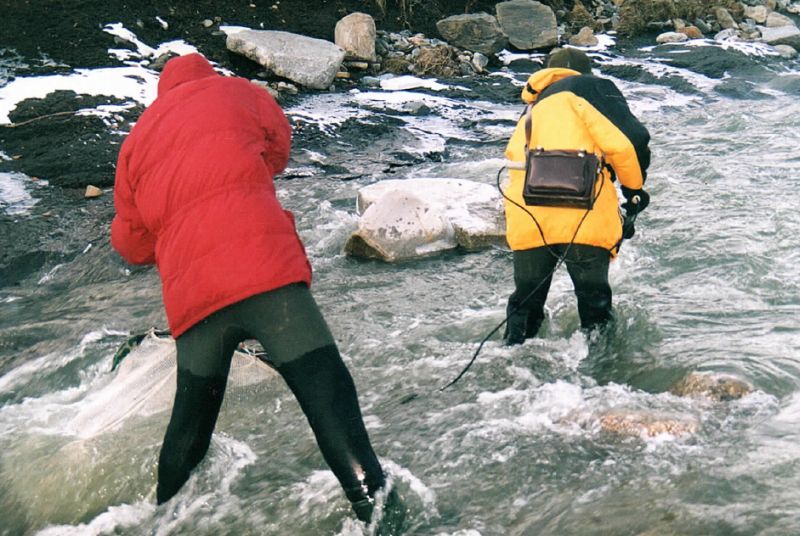
Genetic Conservation and Ecological Restoration: We transition immediately from administrative paperwork to direct field action. We assume the role of a biological stronghold to rescue critically endangered species (Danube Salmon, Asprete, Comana Chub) by operating our experimental stations, restoring degraded habitats, and carrying out ecotoxicological monitoring of Carpathian watercourses.
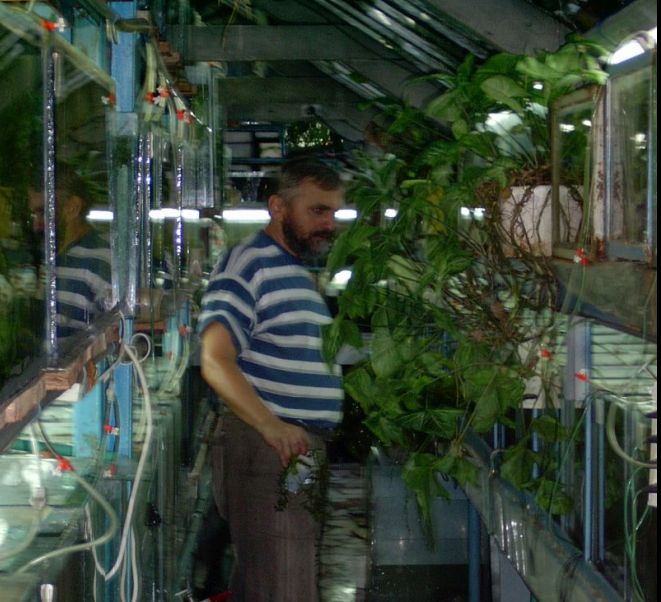
Scientific Excellence in Life Sciences: As an accredited Research Unit, we base every repopulation decision on rigorous data. We develop advanced laboratories in ichthyology, genetics, and recirculating aquaculture systems (bio-RAS) to safeguard pure genetic lines.
High-Level Expertise and Environmental Governance: We put academic rigor in the service of nature by conducting complex appropriate assessment studies, habitat mapping, and specialized technical assistance for biodiversity conservation at European standards.
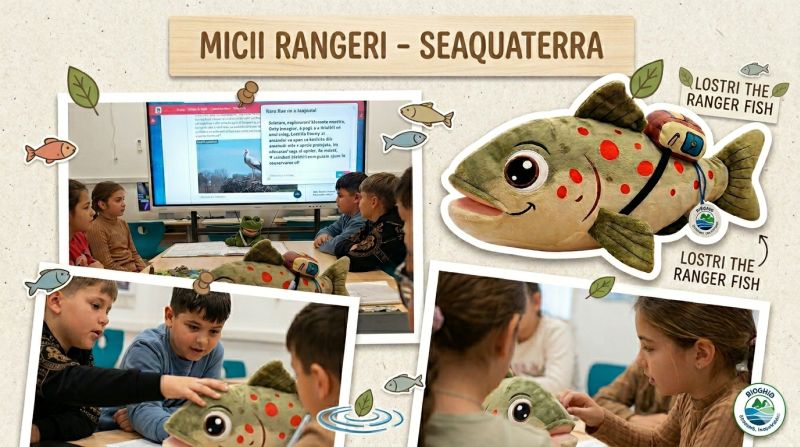
Applied Education in Protected Areas: We shift mindsets directly on the ground. Through long-standing university partnerships, we transform our research stations into open-air classrooms, training new generations of school pupils, university students, and certified **Junior Rangers**.
"Full harmony between mankind and nature, sustained through advanced scientific research, continuous environmental education, and the active preservation of European biodiversity."
THE AQUATERRA ECOLOGICAL SOCIETY projects its future as an international hub of reference in environmental protection, guided by the following long-term values:
Direct field interventions, critical species rescue, and integrated logistic hubs.
🎯 CLICK BELOW FOR OUR RESEARCH PILLARS:
The story of the AQUATERRA Ecological Society began through the visionary initiative of Lecturer Dr. Nicolae Crăciun from the Faculty of Biology, University of Bucharest. It all started in an academic research space — the University Fluviarium — a core dedicated to the study of aquatic ecosystems and underwater fauna behavior.
The desire to extend research from laboratories directly into nature laid the foundation for a non-profit organization made up of university experts, researchers, and individuals devoted to wildlife protection.
In 2006, our vision found a home in the heart of Bucovina, in the village of Plutonița (Suceava County). Here, a unique pilot research center and experimental station came to life, which we fondly call "Little Noah's Ark".
This biobase protects a natural reserve of 3.5 hectares, untouched by logging since 1972, harboring over 175 plant species and 9 rare species of mountain orchids.
The mission of the Plutonița station is focused on three major pillars:
With over 30 national and international grants implemented, AQUATERRA is today a bridge between university scientific rigor and direct action in the field. Every project is a promise kept for future generations that Romania's biodiversity will have a safe refuge.
We invite you to watch an inspirational video about our station, team efforts, and the spirit that drives "Little Noah's Ark":
Our research and conservation center is located in Plutonița, Suceava. To see the exact location of our experimental station, check directions, or start GPS navigation, click the button below:
Beyond historical milestones and administrative bases, AQUATERRA's work means continuous expeditions and data collection. We invite you to join us directly in the field:
Discover the living archive of our ichthyological and ecological expeditions. From field notes submitted directly from the mud, to scientific documentation, biometric tables, and raw academic analysis.
🚀 Explore Scientific ArchiveWatch TV reports, news coverage, and documentaries about our research and conservation projects.
📺 View All Shows & Media Clips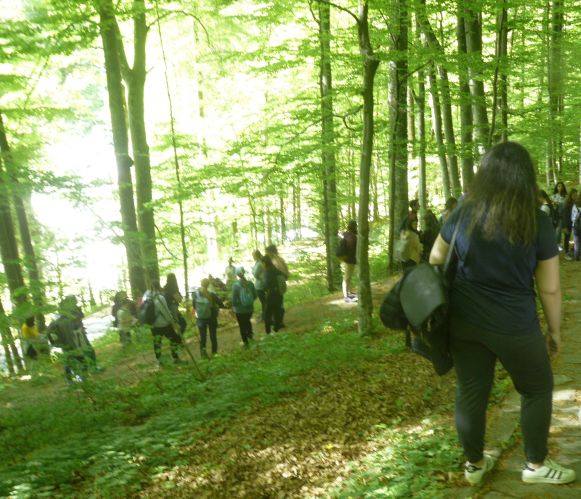
It all began in 1974, from a grandfather’s promise and a teenager’s vision to protect 3.5 hectares of untouched forest behind his house. A true story of dedication to nature that, by 1993, transformed a private forest in Frasin into a protected ichthyological and terrestrial sanctuary, serving as a natural laboratory.
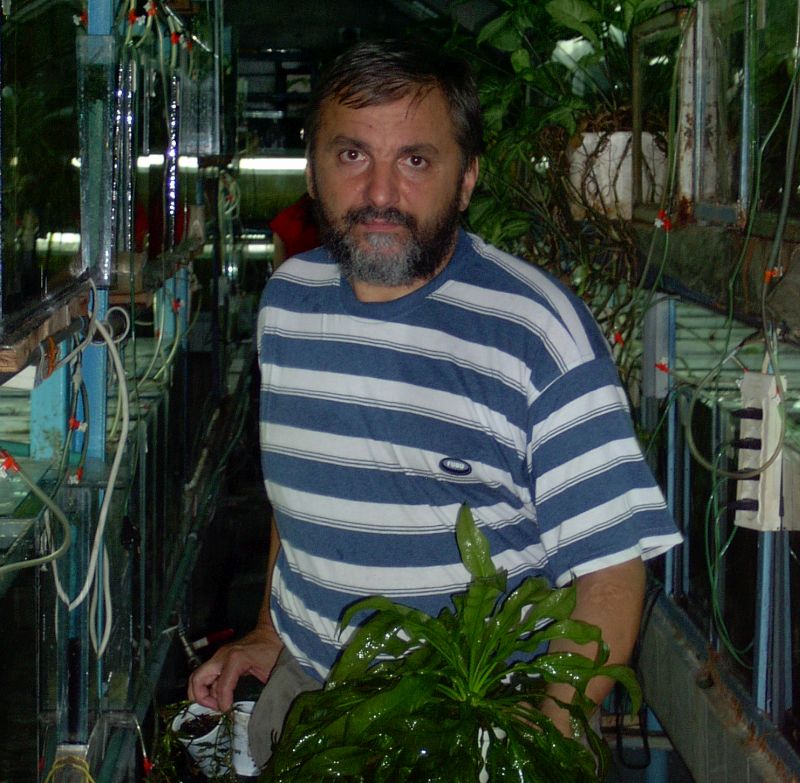
Formal establishment of the association through the visionary initiative of Lecturer Dr. Nicolae Crăciun. The foundations were laid for mountain river cleanup programs and the first awareness campaigns regarding endangered species in the Carpathians were launched.
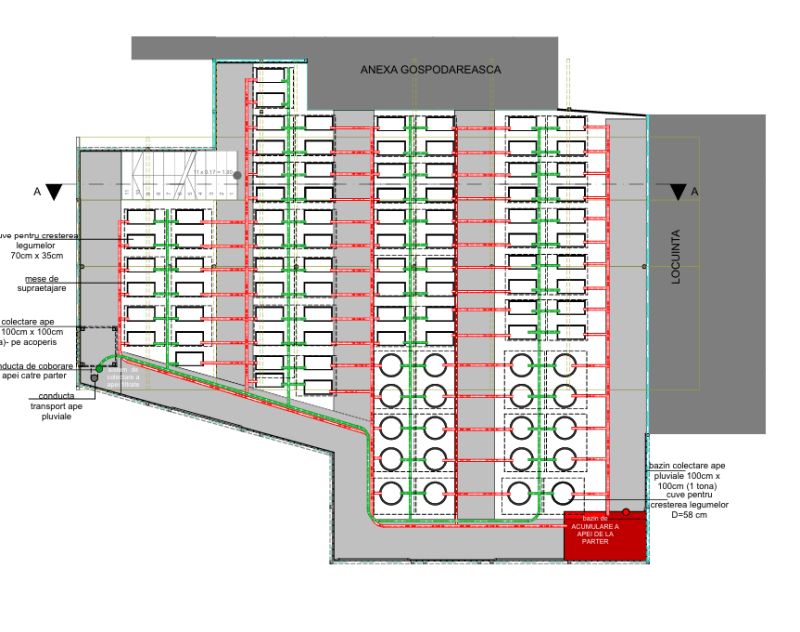
Launch of the landmark "Noah’s Ark" program for the conservation of the Danube salmon (huchen). Construction of the operative pilot station in Plutonița, implementation of advanced recirculating aquaculture systems (bio-RAS), and expansion of field logistical infrastructure.

Launch of the academic portal for Junior Rangers and completion of the operative laboratory station. Active campaigns to combat habitat degradation through field patrols and real-time monitoring systems.
 🔬
🔬
Explore our research laboratories through interactive applications and academic simulators. Test your skills in conservation and aquaculture engineering!
EXPLORE AQUA GAMES ➔